

Ardha Halasana-Half Plough Pose
Ardha Halasana (Half Plow Pose) The Safer Gateway to Halasana
Table of Contents
- Introduction
- How to Do Ardha Halasana
- Benefits
- Tips for Better Practice
- Why Learn with a Yoga Teacher or Instructor
- Cautions and Contraindications
- Conclusion
- FAQS
Introduction
Halasana (Plow Pose) is a deep inversion that requires the legs to travel fully overhead, toes touching the floor behind the head. It’s a significant posture that demands hamstring flexibility, spinal mobility, and most importantly, proper setup to protect the cervical spine.
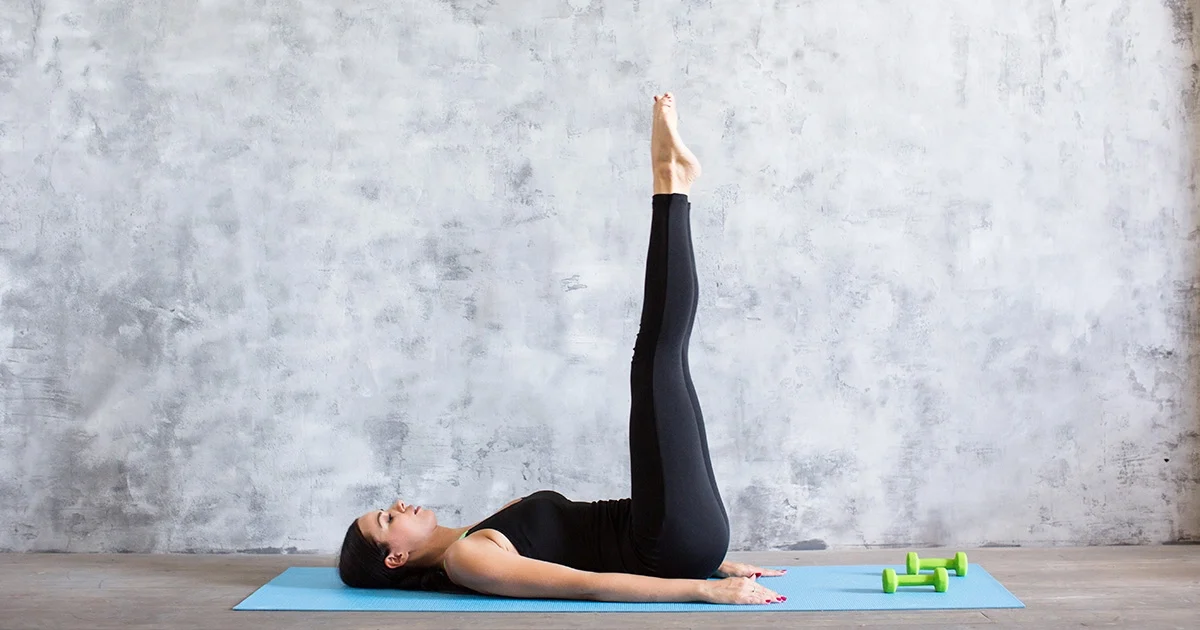
Ardha Halasana is the halfway point. Ardha means half. The legs rise to 90 degrees — perpendicular to the floor, pointing straight up — rather than continuing over the head. The inversion effect is real, the core and hip flexor engagement is substantial, and the cervical spine is in a much safer position than in the full pose.
For many practitioners, Ardha Halasana is the appropriate version — not a consolation prize, but the version that matches their current hamstring flexibility, spinal mobility, and comfort with inversion. For those building toward full Halasana, it’s an essential preparation. For those who should never do full Halasana due to cervical spine issues, it’s a way to access the inversion benefits without the risk.
How to Do Ardha Halasana
Lie on your back with arms alongside the body, palms pressing into the floor. Bend the knees to the chest.
On an exhale, extend the legs upward to 90 degrees. The legs are straight, feet flexed or pointed, thighs pressing toward the ceiling. Arms press down into the floor for support.
This is the pose. The back stays on the floor. The pelvis may lift slightly — this is fine — but the lower back shouldn’t arch aggressively away from the floor. The legs are vertical, the core is engaged.
Hold for 30 seconds to 2 minutes.
For those working with a blanket (preparing for full Halasana): use the same blanket setup as Sarvangasana — shoulders elevated, head on the floor — before lifting the legs. This setup positions the body correctly if the legs eventually begin moving toward the floor.
To come down: lower the legs slowly on an inhale, maintaining control throughout. Never drop the legs — the sudden shift in weight can strain the lower back.
Benefits
Inversion benefits without cervical risk. The legs-vertical position creates mild inversion of the pelvis and lower trunk relative to the floor, increasing blood flow to the abdominal organs and reducing lower limb fluid accumulation. The cervical spine is in a neutral position throughout, unlike in full Halasana.
Core and hip flexor strengthening. Holding the legs at 90 degrees requires sustained engagement of the core (particularly the lower abdominals) and the hip flexors. The demand is real and the build is progressive.
Hamstring stretch. The perpendicular leg position creates a gravity-assisted hamstring stretch that, held over time, produces measurable flexibility gains. This is one of the more comfortable hamstring stretches because the weight of the legs does the work without any muscular forcing.
Spinal decompression. With the legs elevated, the lumbar spine is freed from the compressive load of the legs’ weight. For people with lower back compression from prolonged standing, this positional change produces noticeable relief.
Preparation for Halasana. The hip flexor strength, hamstring flexibility, and comfort with the supine legs-elevated position are all developed in Ardha Halasana, making the progression to full Plow more accessible and safer when appropriate.
Tips for Better Practice
- Press the palms firmly into the floor. This stabilizes the upper body and helps the core manage the leg weight without straining the lower back.
- Keep the legs active. Passive, floppy legs in the perpendicular position create more work for the lower back. Active, engaged legs (engaged quads, active feet) are easier to hold.
- Don’t let the lower back arch aggressively off the floor. If the lumbar spine is pulling up sharply, the core isn’t managing the leg weight well. Lower to a 70-degree leg angle and work back up gradually.
- Breathe throughout. Hip flexor fatigue makes breath-holding tempting. Resist.
Why Learn with a Yoga Teacher or Instructor
For students planning to progress toward full Halasana, a teacher can monitor the readiness — hamstring flexibility, spinal mobility, core strength — and sequence the progression appropriately rather than rushing it. They can also ensure the shoulder blanket setup is used correctly if the legs are eventually going to travel overhead.
For students using Ardha Halasana as a standalone therapeutic practice (for inversion benefits without Halasana’s cervical risk), a teacher can design the appropriate duration and integration into a sequence.
Cautions and Contraindications
- Herniated lumbar disc: Leg elevation increases intradiscal pressure through hip flexor engagement. Get physiotherapy clearance.
- Pregnancy: Supine leg lifts are generally avoided after the first trimester.
- High blood pressure or glaucoma: Even mild pelvic inversion raises pressure in the head and eyes. Consult a doctor.
- Hip flexor strain: The sustained engagement may aggravate active hip flexor injuries.
Conclusion
Ardha Halasana does more than it gets credit for. The inversion effect, the core and hip flexor work, the hamstring stretch, and the spinal decompression are all real and useful — and they’re available without the cervical risk of full Plow.
For most practitioners, this is the version that should be in regular rotation. For those progressing toward Halasana, it’s the preparation that makes the full pose accessible. Either way, it earns its place.
FAQS
Q: How is Ardha Halasana different from Halasana?
A: In the half version, the legs go only to 90 degrees overhead — straight up, not all the way to the floor behind the head. Much less neck compression.
Q: Is it safer than full Halasana?
A: For most people, yes. The cervical spine bears less weight and the hamstrings get a gentler stretch.
Q: What does Ardha Halasana strengthen?
A: The abdominal muscles work to hold the legs at 90 degrees. It’s also a hamstring and lower back stretch.
Q: Can beginners do Ardha Halasana?
A: With a warm core and gentle entry, yes. It’s more beginner-friendly than full Halasana.
Q: Who should avoid it?
A: People with neck injuries, herniated discs, or high blood pressure. Same cautions as the full pose, just less intensely applied.
Q: How long should I hold it?
A: 30 to 60 seconds. Bring the legs down slowly — don’t just let them drop.