
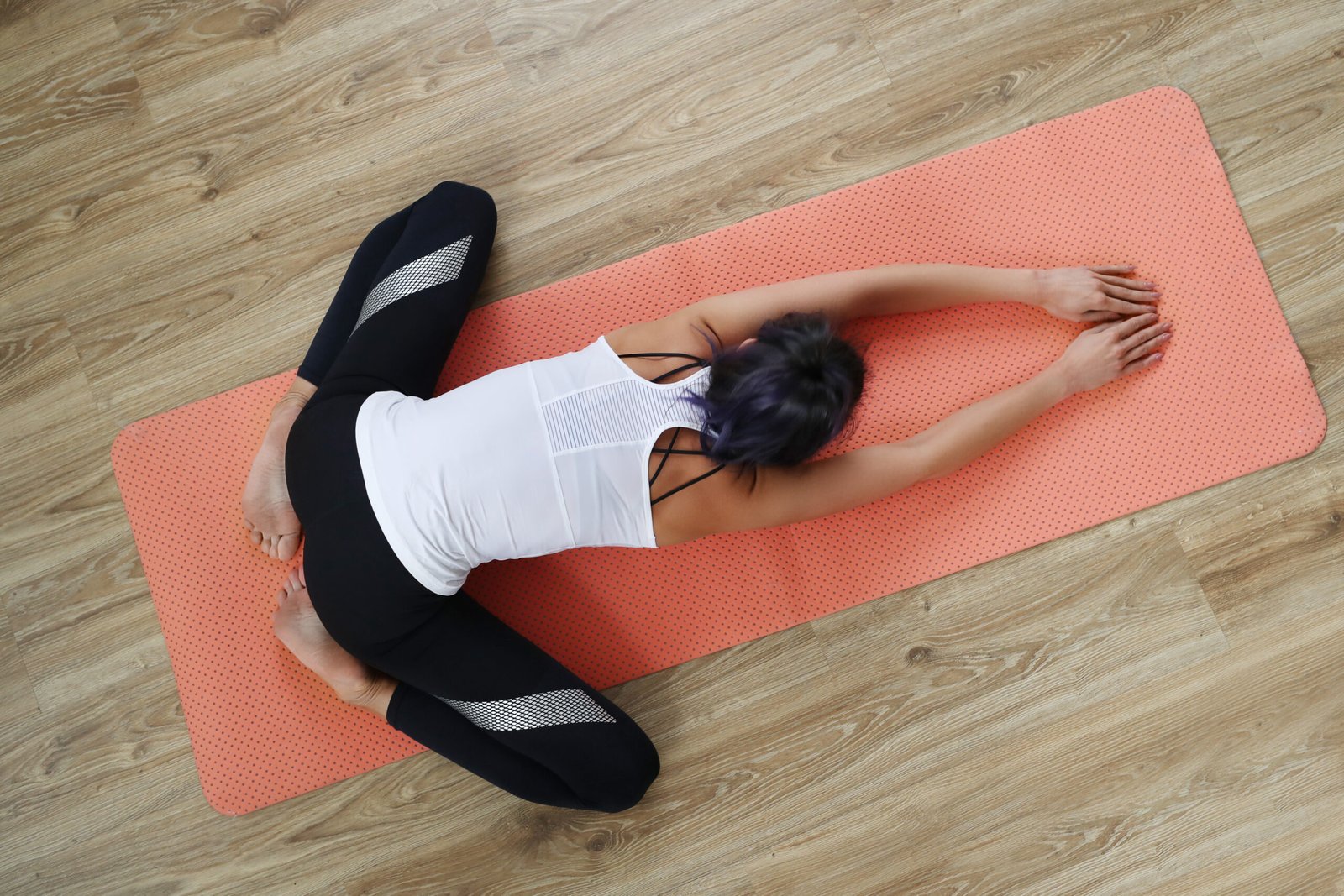
If you’ve ever felt like the weight of the world is resting squarely on your shoulders, Shashankasana—popularly known as the Rabbit Pose—is your ultimate sanctuary. In our modern era, where stress is often an uninvited guest, finding accessible ways to reset the nervous system is vital for long-term well-being.
The name is derived from the Sanskrit words Shashank, meaning “moon” or “rabbit,” and Asana, meaning “pose.” Much like a rabbit tucking safely into its burrow, this pose allows you to turn inward, away from the chaos of external stimuli. It is a fantastic counter-pose to back-bending asanas and a must-have in your daily routine for maintaining emotional balance and digestive health.
If you’ve ever felt like the weight of the world is resting squarely on your shoulders, Shashankasana—famously known as the Moon Pose or Rabbit Pose—is your ultimate sanctuary. In our fast-paced modern era, where stress is often an uninvited guest, finding an easy way to reset your nervous system is vital for your long-term well-being.
The name comes from the Sanskrit words Shashank, meaning “moon,” and Asana, meaning “pose.” Just as the moon provides a cool, steady light, this pose allows you to turn inward, away from the chaos of life. It’s a gentle, grounding stretch that helps you fold away the noise of the world and rediscover your inner quiet.
In yoga tradition, the moon symbolizes peace, tranquility, and the “cooling” energy known as Tha. While many yoga poses focus on building heat (Ha), Shashankasana is designed to cultivate the exact opposite: a deep, restorative calm.
By folding forward and placing the head below the heart, you encourage a rush of oxygenated blood to the brain. This posture is highly regarded in the Patanjali Yoga Sutras as a physical manifestation of Pratyahara (withdrawal of the senses). It helps you detach from external noise and rediscover the inner silence that resides within every individual. It is an act of bowing down to the higher self, fostering humility and psychological surrender.
In Indian mythology, the rabbit is often seen in the markings of the moon. This is why the moon is sometimes called Shashank (literally: “having a rabbit in its lap”). The rabbit represents alertness combined with a peaceful nature. When we practice this pose, we aim to embody these qualities—staying conscious and alert while remaining profoundly relaxed. It balances emotional disturbances, much like the moon influences the tides of the earth.
This pose is incredibly stable and safe, making it perfect for practitioners of all levels.
Find Your Base: Kneel on your mat. Sit back on your heels (Vajrasana) with your spine straight and hands on your thighs.
Reach Up: Breathe in deeply as you raise both arms straight above your head. Feel your spine lengthen and your chest open.
The Gentle Fold: As you exhale slowly, lean forward from your hips. Keep your arms straight and move your torso and arms together as one unit.
Touch the Earth: Gently bring your forehead and palms to rest on the floor. Don’t worry if your forehead doesn’t reach the mat yet; it will happen naturally with time.
Let Go: Relax your elbows and shoulders. Feel the ground supporting the weight of your head.
Breathe and Hold: Stay for 30 seconds to 2 minutes. Focus on the expansion of your back with every breath.
Rise Slowly: To exit, inhale as you lift your torso back up, then exhale as you return your hands to your thighs.
Shashankasana is a multi-tasker that supports both your physical and emotional health:
Digestive Relief: Think of this as a gentle “internal hug.” By leaning your belly against your thighs, you massage your liver, spleen, and intestines, which helps relieve constipation and bloating.
Instant Calm: This is one of the best tools for managing anger, anxiety, and irritability. It signals your nervous system to switch from “fight or flight” to “rest and digest.”
Brain Clarity: By reversing blood flow toward the head, it clears “brain fog” and provides a natural energy boost without the jitters of caffeine.
Spinal Love: It offers a passive stretch to your vertebrae, helping to undo the tension caused by hours of slouching over a desk or phone.
Better Sleep: Practicing this before bed acts as a physical “off switch” for racing thoughts, making it a natural remedy for insomnia.
Yoga isn’t one-size-fits-all. Here is how to make Shashankasana feel perfect for you:
Make Space: If your stomach feels compressed or breathing is difficult, simply widen your knees while keeping your big toes touching.
Bring the Floor to You: If your forehead doesn’t reach the floor, place a pillow or a yoga block underneath it. This prevents neck strain.
Knee Comfort: If sitting on your heels is uncomfortable, tuck a folded blanket into the crease behind your knees to reduce the pressure.
Soft Ankles: If the tops of your feet hurt, slide a rolled-up towel under your ankles for extra cushioning.
Even the gentlest poses need a bit of caution. Listen to your body if any of these apply:
Dizziness: If you have vertigo or high blood pressure, keep your head elevated on pillows rather than touching the floor.
Injury: Avoid the deep fold if you have a recent slipped disc or acute, sharp knee pain.
Pregnancy: Always practice with your knees wide apart to ensure there is no pressure on the abdomen.
Neck Strain: Use a block to support your head so your neck stays in a straight, neutral line with your spine.
Morning Refresh: Spend 1 minute in the pose after waking up to shake off stiffness and start your day with a clear mind.
The “Work-from-Home” Break: Take a 2-minute “Shashankasana Break” to reverse the effects of sitting and reset your focus.
The Bedtime Ritual: Practice right before getting into bed. It tells your body the day is over and it is safe to sleep.
Shashankasana is a beautiful reminder that sometimes the most productive thing you can do is simply bow down and let go. It teaches us that strength doesn’t always come from pushing; often, it comes from the ability to relax and breathe. Embrace the stillness of the moon, and let your body find its natural rhythm once again.