

- (+612) 2531 5600
- info@la-studioweb.com
- PO Box 1622 Colins Street West Victoria 8077 Australia
©2023 Nilah . All rights reserved.
Bharat yogas
Introduction to Pranayama
Pranayama is a core practice of classical yoga that focuses on the conscious regulation of breath to balance the body, calm the mind, and awaken inner awareness. In yogic science, breath is not just air—it is prana, the vital life energy that sustains physical, mental, and spiritual health.
Ancient Indian scriptures such as the Patanjali Yoga Sutra and the Bhagavad Gita describe pranayama as a transformative yogic discipline that purifies the nervous system, refines mental awareness, and prepares the practitioner for meditation and self-realization.
In modern times, pranayama is widely practiced for stress relief and wellness. However, its true purpose goes far beyond relaxation. This article explains the meaning of pranayama, its yogic philosophy, benefits, methods, and spiritual significance with authentic references to Patanjali Yoga Sutra and the Bhagavad Gita.
What Is Pranayama?
The word Pranayama comes from Sanskrit:
Prana – life force, vital energy
Ayama – expansion, regulation, or control
Thus, pranayama means the conscious expansion and regulation of prana through breath awareness.
In yogic philosophy, prana flows through subtle energy channels called nadis and governs all physiological and mental activities. Disturbed breathing reflects disturbed prana and mind, while calm breathing reflects balance and clarity.
Definition of Pranayama According to Patanjali Yoga Sutra
Sage Patanjali defines pranayama in a precise and scientific manner:
“Tasmin sati śvāsa-praśvāsayor gati-vicchedaḥ prāṇāyāmaḥ”
(Yoga Sutra 2.49)
Meaning:
After establishing steadiness in asana, pranayama is the regulation of the movement of inhalation and exhalation.
This sutra emphasizes that pranayama must be practiced after mastering yog asana, because a stable posture allows safe and effective breath regulation.
Pranayama in Ashtanga Yoga (Eight Limbs of Yoga)
In the Ashtanga Yoga system, pranayama is the fourth limb, following yama, niyama, and asana:
Yama – ethical restraints
Niyama – personal discipline
Asana – steady posture
Pranayama – breath regulation
Pratyahara – withdrawal of senses
Dharana – concentration
Dhyana – meditation
Samadhi – self-realization
Pranayama marks the transition from external practices to internal awareness, making it a vital step in yogic evolution.
Pranayama in the Bhagavad Gita
The Bhagavad Gita presents pranayama as a sacred yogic offering and a discipline of balance and awareness.
Breath Regulation as a Yogic Offering
Lord Krishna explains:
“Apāne juhvati prāṇaṁ prāṇe ’pānaṁ tathāpare
Prāṇāpāna-gatī ruddhvā prāṇāyāma-parāyaṇāḥ”
(Bhagavad Gita 4.29)
Meaning:
Some yogis offer inhalation into exhalation and exhalation into inhalation, restraining the flow of prana and apana, absorbed in pranayama.
This verse highlights pranayama as an inner sacrifice, requiring awareness, restraint, and discipline.
Purpose and Importance of Pranayama
1. Regulation of Prana (Life Energy)
Prana controls:
Breathing and circulation
Digestion and metabolism
Nervous system functions
Mental clarity and emotions
Pranayama balances prana, improving overall vitality and well-being.
2. Purification of Nadis
According to yogic texts, prana flows through 72,000 nadis. When these channels are blocked, physical and mental disturbances arise.
Pranayama:
Cleanses energy channels
Improves energy flow
Removes fatigue and restlessness
3. Mental Calmness and Emotional Stability
Breath and mind are deeply interconnected. When breath is slow and rhythmic, the mind naturally becomes calm.
The Bhagavad Gita repeatedly emphasizes mental steadiness (sthita prajna), which pranayama helps cultivate.
Effects of Pranayama on the Mind
Patanjali describes the deeper effect of pranayama:
“Tataḥ kṣīyate prakāśa-āvaraṇam”
(Yoga Sutra 2.52)
Meaning:
Through pranayama, the veil covering inner awareness is removed.
This sutra reveals pranayama’s role in removing ignorance and mental darkness, leading to clarity and insight.
Types of Pranayama in Classical Yoga
Pranayama consists of three essential components:
Puraka – inhalation
Rechaka – exhalation
Kumbhaka – breath retention
Patanjali explains:
“Bāhya-abhyantara-stambha-vṛttir deśa-kāla-saṅkhyābhiḥ paridṛṣṭaḥ”
(Yoga Sutra 2.50)
Pranayama is regulated by place, time, and count, and involves controlled inhalation, exhalation, and retention.
Importance of Kumbhaka in Pranayama
Kumbhaka (breath retention) is considered the heart of pranayama. During kumbhaka:
Breath becomes subtle
Mind becomes still
Awareness deepens
However, the Bhagavad Gita emphasizes moderation, warning against excessive or forced practices.
Pranayama and the Three Gunas
The Bhagavad Gita explains that nature functions through three gunas:
Tamas – inertia and dullness
Rajas – activity and restlessness
Sattva – balance and clarity
Regular pranayama practice:
Reduces tamas by increasing alertness
Balances rajas by calming the nervous system
Enhances sattva by promoting inner harmony
A sattvic mind supports meditation and self-discipline.
Pranayama as a Spiritual Discipline (Sadhana)
Pranayama is not merely a breathing technique; it is a spiritual sadhana.
The Bhagavad Gita states:
“Yogah karmasu kaushalam”
(Gita 2.50)
Yoga is skill in action.
In pranayama, skill means gentle regulation, awareness, patience, and non-attachment.
Relationship Between Pranayama and Pratyahara
As pranayama becomes subtle, the senses withdraw naturally. This process is known as pratyahara, the fifth limb of yoga.
Thus, pranayama becomes the gateway to meditation, concentration, and inner silence.
Common Mistakes in Pranayama Practice
Practicing Without Guidance
Improper technique may disturb the nervous system.
Excessive Force or Retention
The Bhagavad Gita warns against extremes in yogic practice.
Ignoring Ethical Foundation
Without yama and niyama, pranayama becomes unstable and incomplete.
Benefits of Pranayama in Modern Life
Pranayama offers numerous wellness benefits:
Stress and anxiety reduction
Improved lung capacity
Better sleep quality
Enhanced focus and productivity
Emotional balance
Support for preventive healthcare
These benefits, however, are by-products, not the ultimate goal.
Pranayama and Self-Realization
Patanjali states:
“Tataḥ yogyatā manasaḥ dhāraṇāsu”
(Yoga Sutra 2.53)
Meaning:
Through pranayama, the mind becomes fit for concentration.
A steady breath leads to a steady mind, which leads to meditation and self-realization.
Pranayama in the Bhagavad Gita’s Yogic Vision
In Chapter 6 of the Bhagavad Gita, Lord Krishna emphasizes moderation in lifestyle, breath control, and meditation. Pranayama is integrated into daily living, not isolated as a technique.
Yoga becomes a way of life, guided by awareness and balance.
Conclusion: The True Essence of Pranayama
Pranayama is the art of conscious breathing and conscious living. Rooted in the teachings of the Patanjali Yoga Sutra and the Bhagavad Gita, pranayama balances life energy, calms the mind, and prepares the practitioner for higher yogic states.
Practiced with awareness, discipline, and moderation, pranayama becomes a powerful path toward:
Physical vitality
Mental clarity
Emotional stability
Inner awakening
In a restless world, pranayama offers stillness.
In a stressed mind, it offers calmness.
In a distracted life, it offers balance.
Where breath becomes conscious, awareness naturally awakens.
Latest News
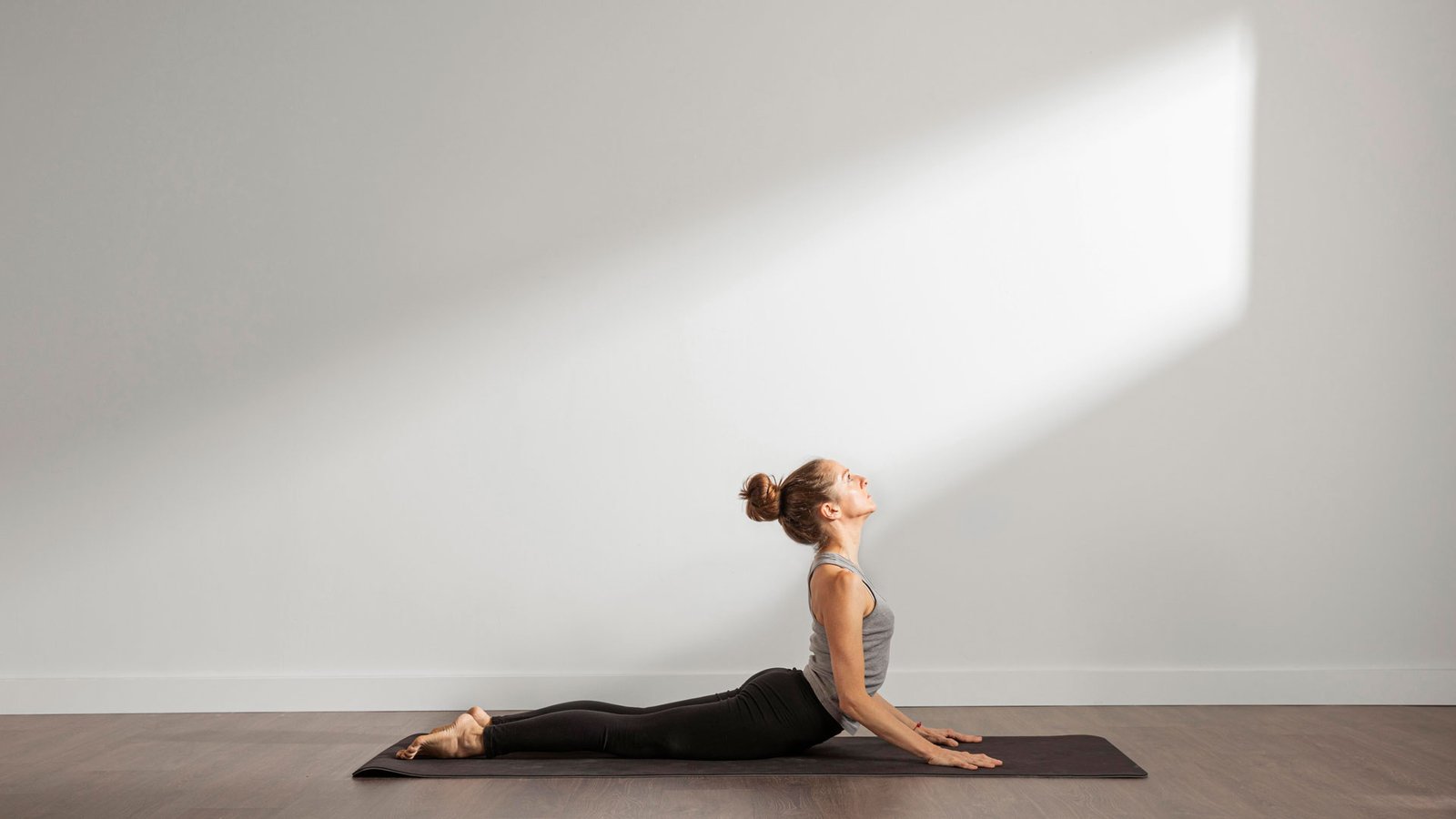
Bhujangasana-Cobra Pose

Viparita Shalabhasana Superman Pose-Reverse Locust Pose
Copyright 2026© bharatyogas.com. All Rights Reserved.