
logotype
  • Asanas
  • Pranayamas
  • Meditation
  • Blog
  • About Us
  • Contacts
make an appointment
logotype
logotype
  • Asanas
  • Pranayamas
  • Meditation
  • Blog
  • About Us
  • Contacts
September 2024
Home2024
yoga for heart
BlogLife StyleYoga
September 22, 2024By bharatyogas0 Comments

Yoga for High Blood Pressure

High blood pressure, or hypertension, is a significant health concern affecting millions globally. It increases the risk of severe health problems, such as heart disease and stroke. Yoga offers a natural and holistic method to manage hypertension by promoting relaxation, improving circulation, and reducing stress. Incorporating yoga postures (asanas), pranayama (breathing techniques), and meditation into your routine can help regulate blood pressure and improve overall health. However, practicing cautiously is important, especially if you have high blood pressure.

Benefits of Yoga for High Blood Pressure

  • Stress Relief: Yoga reduces stress hormones like cortisol, helping to lower blood pressure.

  • Improved Circulation: Yoga improves blood flow and oxygenation, reducing strain on the heart.

  • Cardiovascular Support: Regular yoga practice helps regulate heart rate, improves cholesterol levels, and promotes relaxation of blood vessels.

  • Weight Management: Yoga aids in maintaining a healthy weight, reducing the risk of high blood pressure.

  • Emotional Balance: Yoga enhances mental clarity and emotional balance, helping to lower anxiety and stress-related hypertension.

Yoga Asanas for High Blood Pressure

Certain yoga poses can be especially beneficial for individuals with high blood pressure. These asanas focus on relaxation, gentle stretching, and steady breathing to calm the mind and reduce stress.

1. Sukhasana (Easy Pose): A seated pose that encourages deep, mindful breathing and relaxation, helping to relieve mental stress.
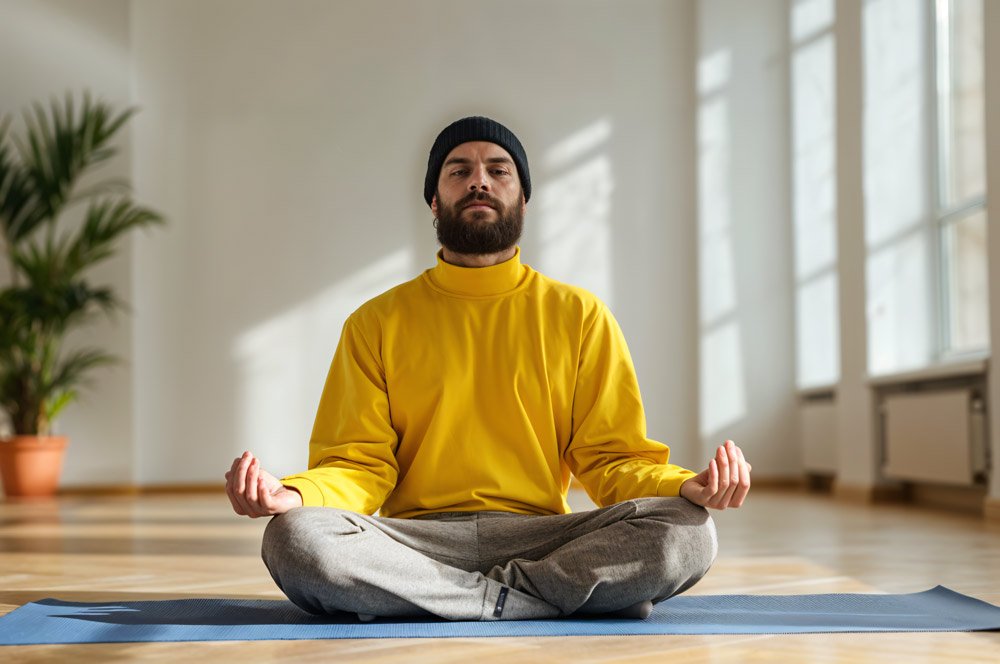
Yoga for High Blood Pressure

2.Vajrasana (Thunderbolt Pose): A kneeling posture that improves digestion and promotes mental clarity, balancing both mind and body.
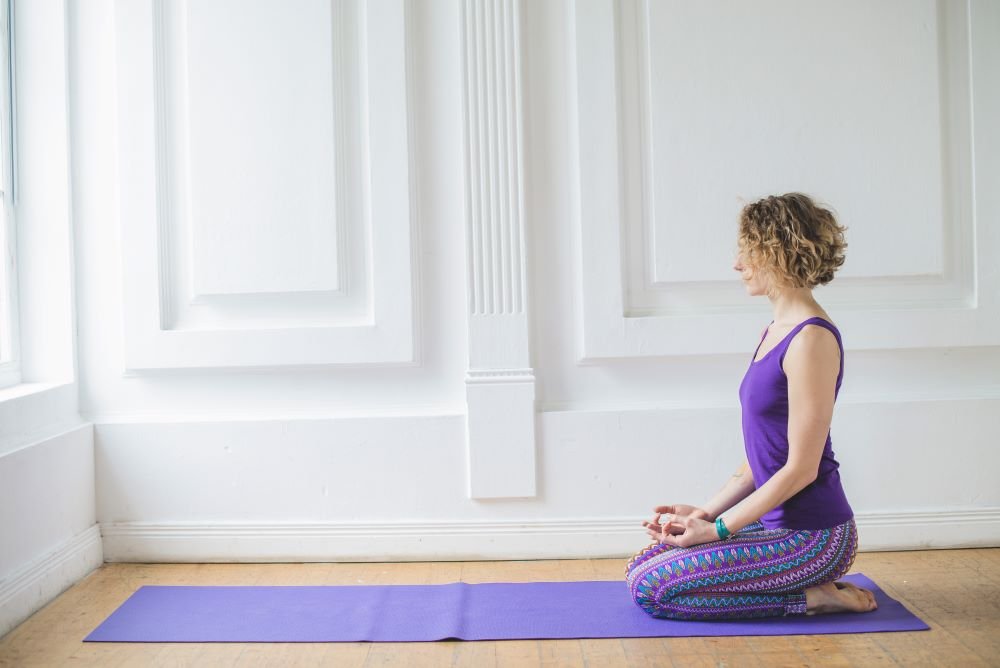
Yoga Asanas for High Blood Pressure

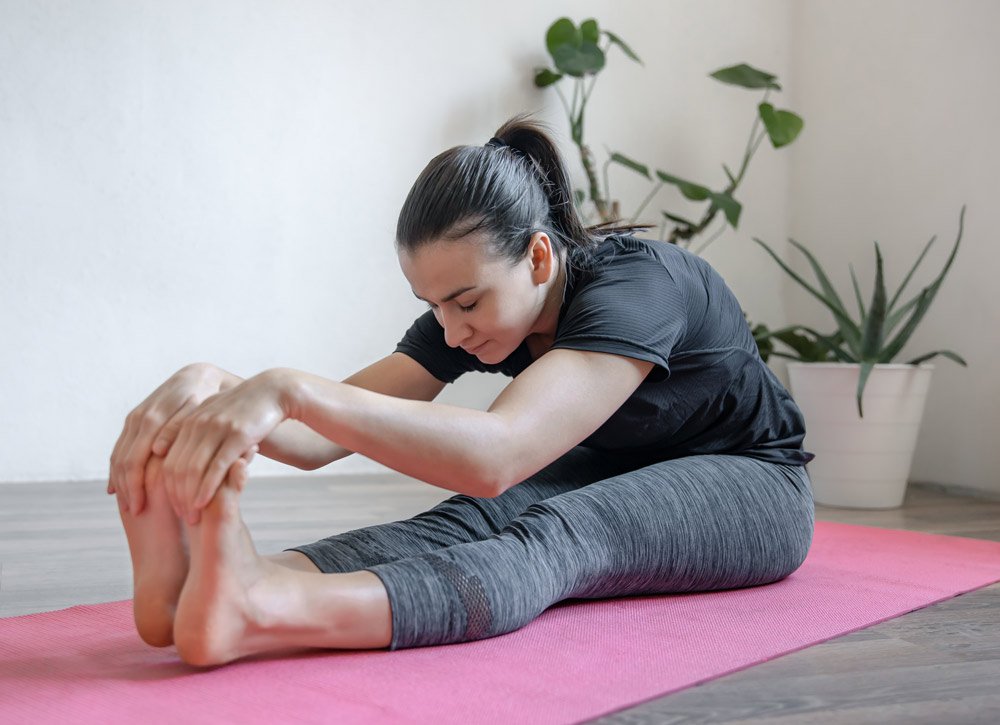
3. Paschimottanasana (Seated Forward Bend): This forward bend stretches the spine and hamstrings while promoting relaxation and reducing anxiety
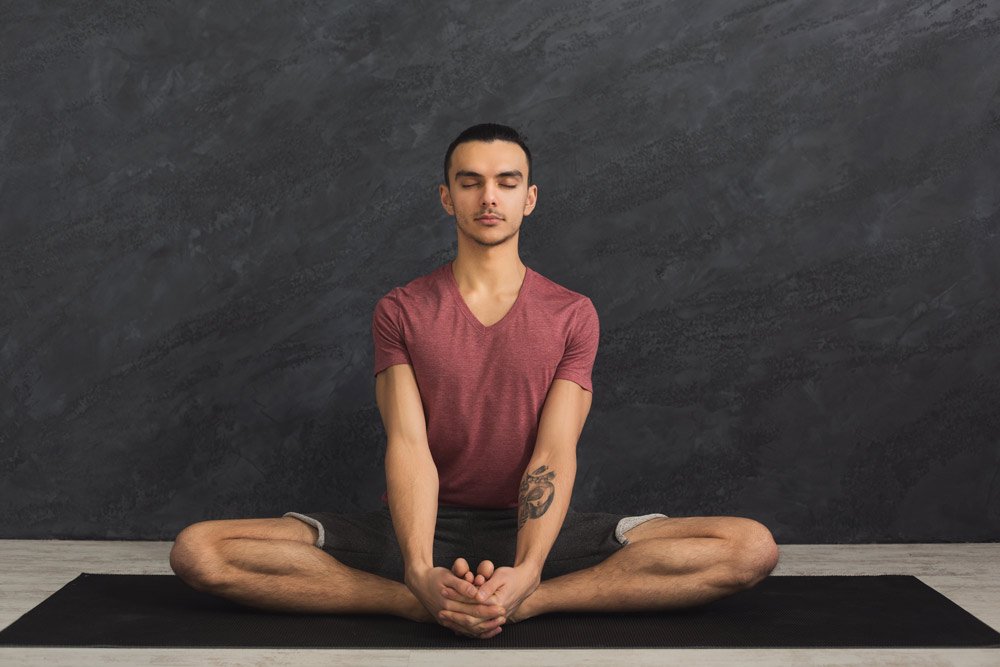
4. baddha Konasana (Bound Angle Pose): A seated pose that opens the hips and helps calm the nervous system, lowering blood pressure.
Yoga Asanas for High Blood Pressure

5. Janu Sirsasana (Head-to-Knee Forward Bend): A forward bend that stretches the hamstrings and spine, promoting relaxation and reducing stress.

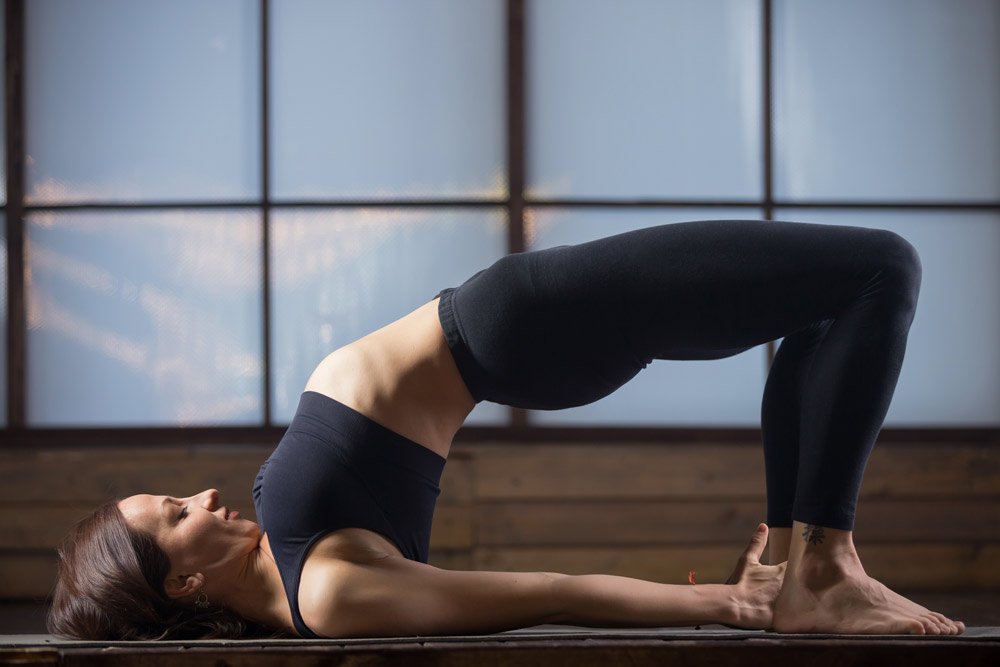
6. Setu Bandhasana (Bridge Pose): A gentle backbend that opens the chest and improves circulation, reducing stress and lowering blood pressure.
Yoga Asanas for High Blood Pressure

7. Viparita Karani (Legs-Up-The-Wall Pose): This restorative inversion helps improve blood circulation and reduces pressure on the heart while inducing relaxation.

bharatyogas.com

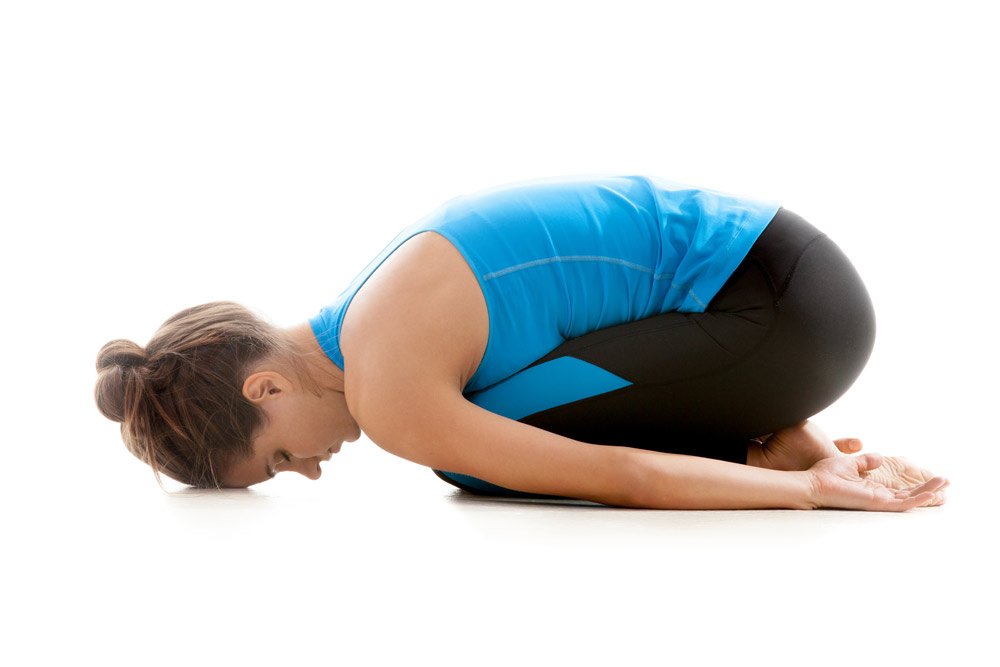
8. Balasana (Child’s Pose): A resting pose that calms the nervous system, promotes deep relaxation, and lowers stress levels.
Yoga Asanas for High Blood Pressure

9. Shavasana (Corpse Pose): A deeply relaxing pose that allows the body to rest completely, reducing stress and regulating blood pressure.
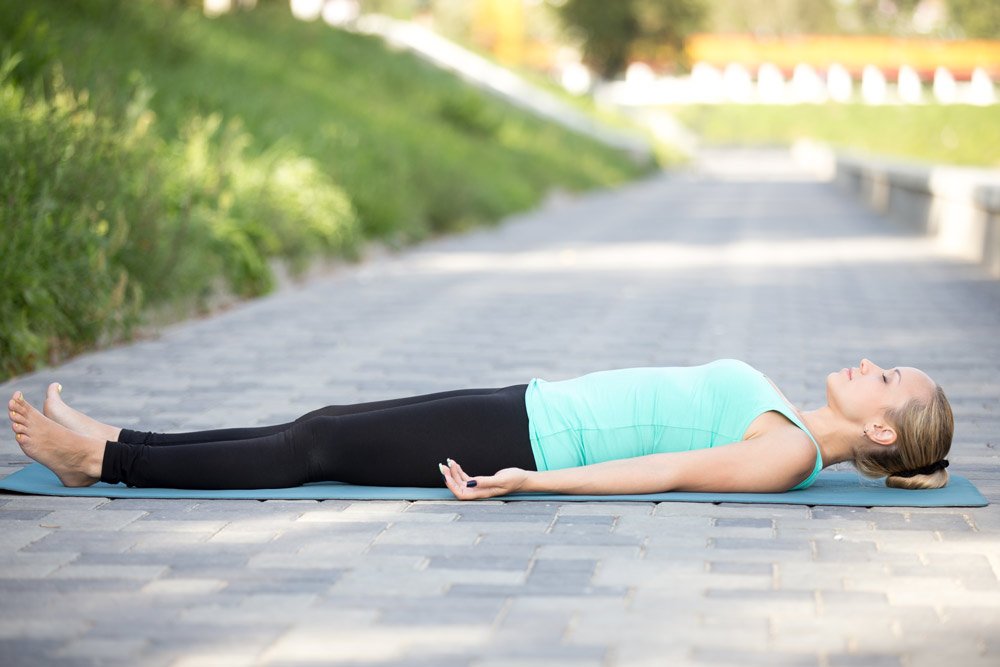
Yoga Asanas for High Blood Pressure
Cautions for Asanas
  • Avoid Full Inversions: Poses such as Sirsasana (Headstand) and Sarvangasana (Shoulder Stand) increase blood pressure and should be avoided.

  • Modify Deep Backbends: Intense backbends like Chakrasana (Wheel Pose) can raise blood pressure, so it’s advisable to modify or avoid them unless guided by an instructor.

  • Transition Slowly: Move between poses gently to avoid sudden changes in heart rate and blood pressure.

Pranayama for High Blood Pressure

Pranayama and yogic breathing, plays a key role in managing high blood pressure. Through breath regulation, it calms the nervous system and promotes relaxation, helping to lower blood pressure naturally.
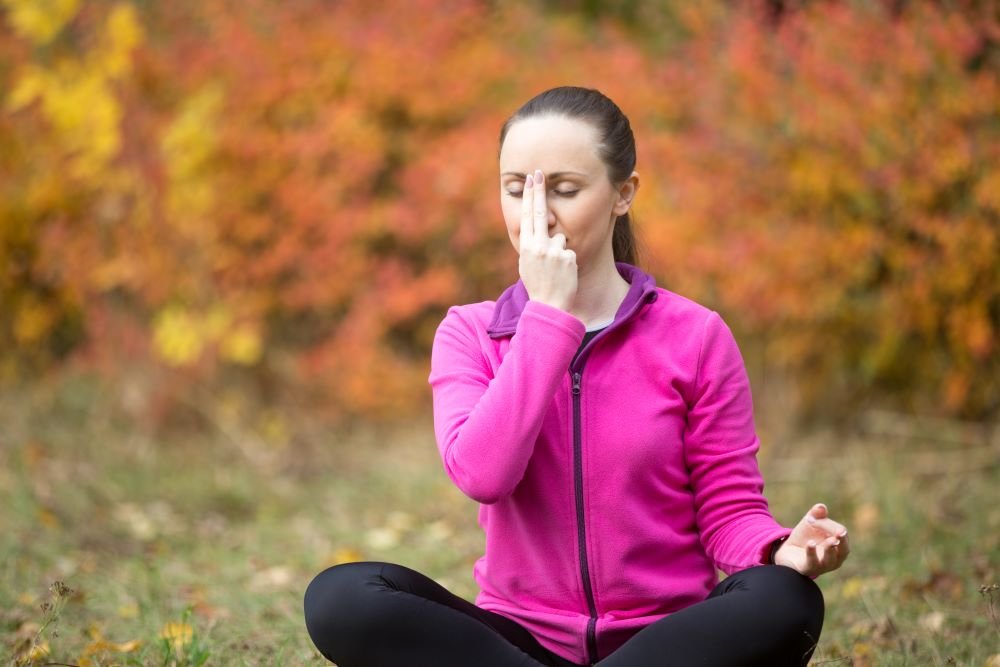
Yoga Asanas for High Blood Pressure
  1. Nadi Shodhan (Alternate Nostril Breathing): This balancing breathing technique purifies the energy channels and calms the nervous system, reducing stress and stabilizing blood pressure.

  2. Bhramari Pranayama (Bee Breathing): This practice involves producing a humming sound during exhalation, which calms the mind and helps lower blood pressure.

  3. Sheetali Pranayama (Cooling Breath): A cooling breath technique that reduces body heat, soothes the mind, and promotes relaxation, which can help lower blood pressure.

  4. Diaphragmatic Breathing: Slow, deep breathing into the diaphragm promotes relaxation, calms the heart rate, and helps lower blood pressure naturally.

Precautions for Pranayama

  • Practice Slowly and Gently: Focus on slow, steady breathing to avoid overstimulation of the heart or nervous system.

Meditation for High Blood Pressure

Meditation is highly effective for reducing stress and anxiety, both of which contribute to high blood pressure. A regular meditation practice can help lower stress hormones and promote emotional balance, leading to reduced blood pressure levels.
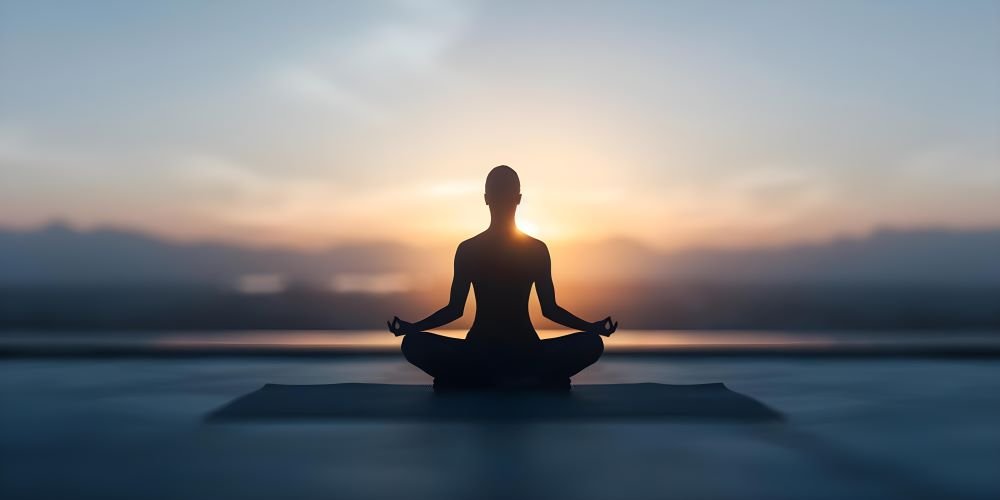
Yoga Asanas for High Blood Pressure
  1. Meditation: Simple mindfulness meditation, which involves focusing on the breath or a single point of focus, helps calm the mind, reduce stress, and lower blood pressure.

  2. Guided Meditation: This involves following a guided relaxation process, which helps release mental and physical tension and promotes deep relaxation, lowering blood pressure.

  3. Yoga Nidra (Yogic Sleep): A deeply relaxing meditation technique that guides you into a state of conscious rest. Yoga Nidra is effective for reducing stress and managing high blood pressure by calming both the body and mind.

Precautions for Meditation

  • Start with Short Sessions: Begin with 10-15 minute sessions and gradually increase the duration as you grow comfortable with the practice.

  • Ensure Comfort: Sit down in a comfortable position to avoid physical discomfort, which can cause stress during meditation.

  • Consistency is Key: Regular meditation, even for short durations, can yield significant benefits for reducing blood pressure over time.

Conclusion

Yoga offers a gentle yet powerful way to manage high blood pressure through a combination of asanas, pranayama, and meditation. These practices work together to reduce stress, enhance circulation, and promote relaxation, helping to regulate blood pressure naturally. As always, consult your healthcare provider before starting a new yoga routine, especially if you have severe hypertension or are on medication. With the right approach, yoga can support long-term cardiovascular health and overall well-being.
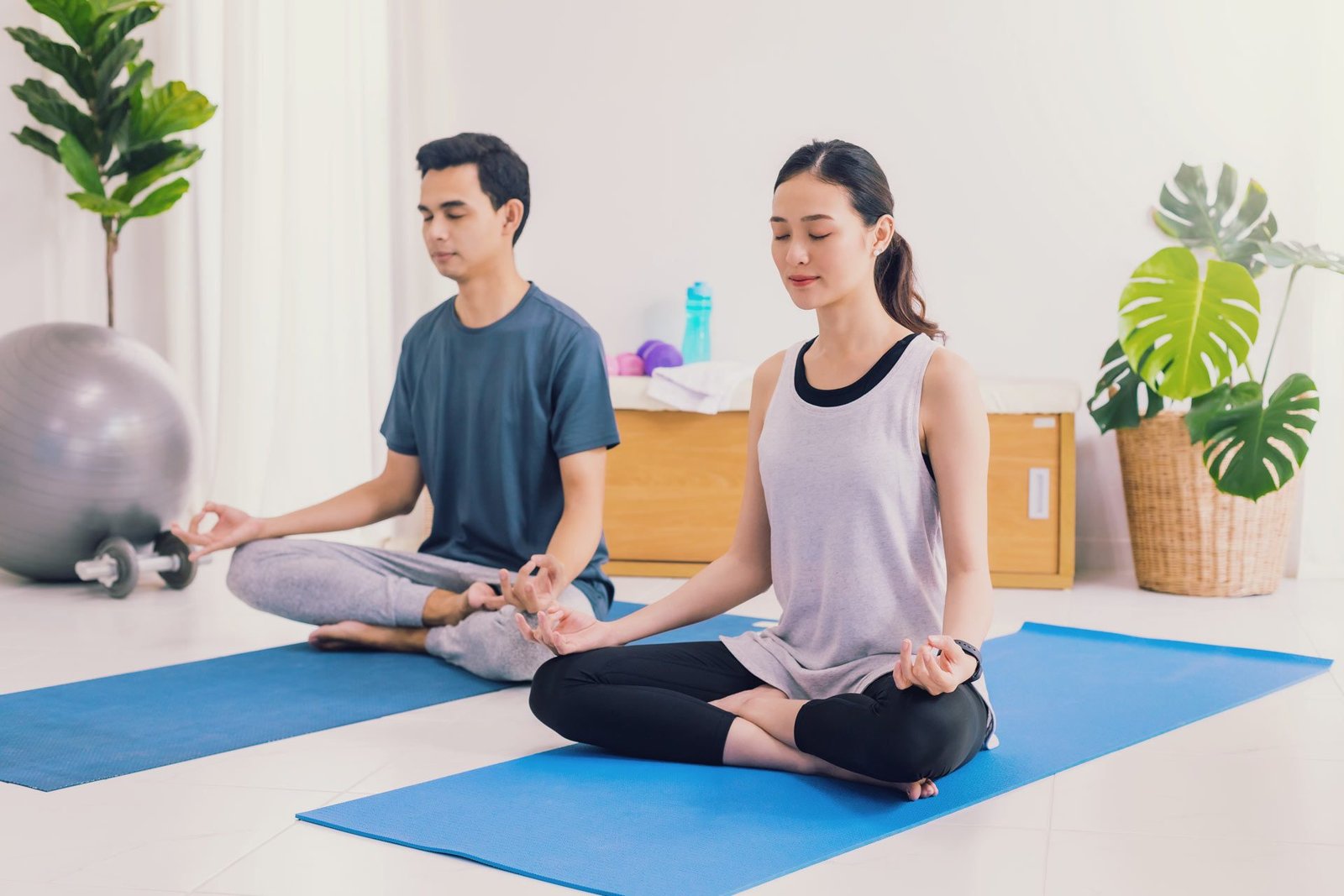
READ MORE
bharatyogas.com
Blog
March 17, 2024By bharatyogas0 Comments

Happiness with Yoga

Yoga is a profound tool that offers invaluable benefits for physical health, mental peace, and equanimity, contributing to a fulfilling life. Here are some significant advantages of incorporating yoga into your daily routine for a happy life:

1. Physical Health:

Practicing yoga provides invaluable benefits for physical health. Through the practice of yoga postures (asanas) and breathing techniques (pranayama), the body strengthens, and the flow of vital energies becomes more balanced.

2. Mental Peace:

The practice of meditation, mindfulness, and maintaining mental steadiness through yoga fosters mental peace and stability. Yoga helps bring equanimity to your mental state and distances you from turbulent thoughts.

3. Self-awareness and Empowerment:

Through the practice of yoga, you can cultivate self-awareness and empowerment. Developing your strengths and putting them into practice can help you achieve your goals.

4. Respectful Relationships:

The practice of yoga enhances mutual respect and deepens relationships. Equanimity and patience cultivated through yoga can contribute to healthier and more harmonious relationships.

5. Joyful Living:

Yoga promotes a holistic approach to life, encouraging balance and mindfulness in all aspects. By integrating yoga into your daily routine, you can experience a deeper sense of joy and contentment in your life.

Embrace the practice of yoga not just as a physical exercise but as a way of life, and witness the transformation it brings to your well-being and happiness.

READ MORE
bharatyogas.com
BlogYoga
March 17, 2024By bharatyogas0 Comments

The Ancient Roots of Yoga

The Ancient Roots of Yoga in India

Yoga, a profound system of physical, mental, and spiritual practices, has flourished for millennia within the rich tapestry of Indian culture. Delve into the depths of its history, from its ancient origins to its modern-day resurgence.

Ancient Origins:

Yoga finds its earliest mentions in the sacred texts of ancient India, including the Rigveda, dating back over 5,000 years. In these ancient hymns, the sages contemplate the nature of existence and the interconnectedness of all things, laying the philosophical groundwork for yoga’s development.

The Upanishads and Early Philosophy:

During the pre-classical period, the Upanishads emerged as a philosophical response to the Vedas, delving deeper into the nature of reality, the self (Atman), and the ultimate truth (Brahman). It is within these texts that we find the early conceptualizations of yoga as a path to self-realization and liberation (Moksha).

The Yoga Sutras of Patanjali:

The sage Patanjali compiled the Yoga Sutras, a seminal text that systematically codified the philosophy and practices of classical yoga. In this profound work, Patanjali outlines the eight limbs of yoga, providing a comprehensive framework for spiritual growth and inner transformation.

The Evolution of Yoga Schools:

Throughout India’s history, numerous yoga schools and traditions emerged, each offering unique approaches to yoga practice and philosophy. From the Hatha Yoga Pradipika to the Bhagavad Gita, these texts and teachings enriched the tapestry of yoga, emphasizing physical postures (asanas), breath control (pranayama), meditation (dhyana), and ethical principles (yamas and niyamas).

Embracing the Essence of Yoga:

As we reflect on the millennia-old journey of yoga in India, we are reminded of its timeless wisdom and universal appeal. Whether practiced on the banks of the Ganges or in urban yoga studios around the world, yoga continues to inspire and uplift countless souls, inviting us to embark on a journey of self-discovery, inner peace, and profound connection with the divine.

READ MORE
bharatyogas.com
Blog
March 17, 2024By bharatyogas0 Comments

Path of yoga

The path of yoga

bharatyogas.com

deeply rooted in Indian tradition, offers a holistic approach to physical, mental, and spiritual well-being. Here’s an overview of its content:

1. Patanjali’s Yoga Sutras: This foundational text outlines the philosophy and practices of yoga. It consists of 196 aphorisms that guide practitioners on the path to self-realization through the eight limbs of yoga.

2. Eight Limbs of Yoga:
Yama: Ethical principles guiding one’s behavior towards others, including non-violence, truthfulness, non-stealing, continence, and non-covetousness.
Niyama: Personal observances focused on self-discipline, cleanliness, contentment, self-study, and surrender to a higher power.
Asana: Physical postures designed to improve strength, flexibility, and balance while preparing the body for meditation.
Pranayama: Breath control techniques aimed at regulating the flow of prana (life force energy) in the body, enhancing vitality and mental clarity.
Pratyahara: Withdrawal of the senses from external stimuli, allowing the practitioner to turn their focus inward.
Dharana: Concentration techniques to cultivate single-pointed focus, leading to a state of meditation.
Dhyana: Meditation, the practice of sustained and focused attention, leading to a deeper state of awareness and inner peace.
Samadhi: The ultimate goal of yoga, a state of profound spiritual absorption and union with the divine.

3. Hatha Yoga: A branch of yoga that emphasizes physical postures (asanas) and breath control (pranayama) to purify the body and prepare it for meditation. Hatha yoga aims to balance the solar and lunar energies within the body, leading to a state of equilibrium.

4. Raj Yoga: Also known as the royal path, Raja Yoga encompasses the practices of meditation, concentration, and self-discipline to achieve mastery over the mind. It is based on Patanjali’s Yoga Sutras and emphasizes mental purification and self-awareness.

5. Bhakti Yoga: The path of devotion, Bhakti Yoga involves cultivating a deep love and devotion towards a personal deity or the divine. Practitioners express their devotion through prayer, chanting, and selfless service (seva), aiming to surrender their ego to the divine will.

6. Karma Yoga: The yoga of selfless action, Karma Yoga involves performing one’s duties and responsibilities without attachment to the outcomes. By offering the fruits of their actions to a higher ideal or for the welfare of others, practitioners purify their minds and cultivate a sense of equanimity.

7. Jnana Yoga: The path of wisdom, Jnana Yoga involves self-inquiry and contemplation to attain knowledge of the self (atman) and the ultimate reality (Brahman). Practitioners seek to transcend the limitations of the ego and realize their true nature as pure consciousness.

8. Kundalini Yoga: Kundalini Yoga focuses on awakening the dormant energy (kundalini) located at the base of the spine through a combination of physical postures, breathwork, mantra, and meditation. The awakening of kundalini is said to lead to spiritual enlightenment and union with the divine.

By integrating these various paths and practices, practitioners of yoga seek to achieve harmony and balance in all aspects of their lives, leading to greater self-awareness, inner peace, and spiritual growth.

READ MORE

Links

About us
Disclaimer
Terms and Conditions
Privacy Policy
Cancellation Policy
Refund Policy

Contacts

Info@bharatyogas.com

Subscribe

    In Socials

    Fb.
    X.
    Ins.
    Lk.

    Bharatyogas

    Copyright © 2026 Bharatyogas.com. All Rights Reserved